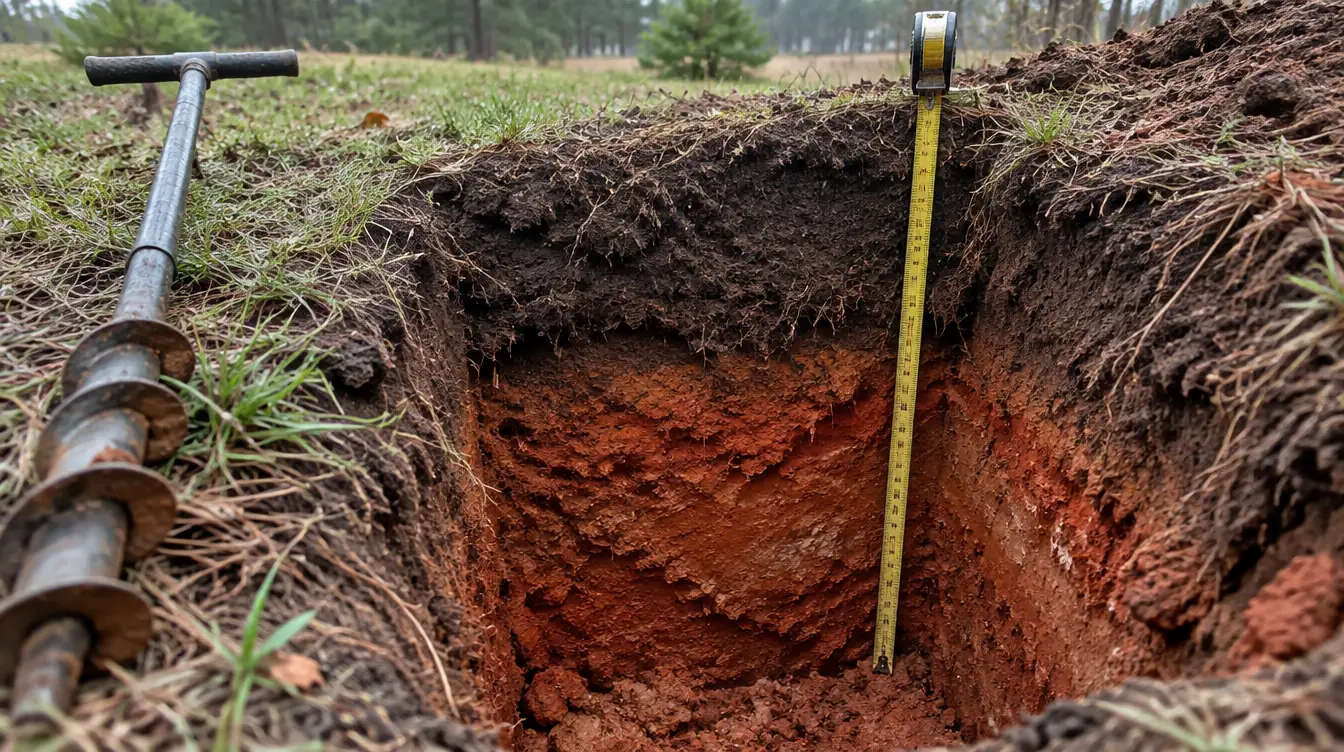
New septic system: $6,000 to $18,000 for most homes. Conventional systems on good soil land in the lower half. Engineered systems, chamber systems, and tough lots (clay, slope, small acreage, high water table) push toward the top, and fully engineered designs can reach $25,000.
What changes the cost of a septic system?
- The soilA site and soil evaluation decides what system your lot is even allowed to have. Bad soil means a more advanced system.
- System sizeSized by bedrooms, not bathrooms. More bedrooms, bigger tank and drain field.
- AccessTight lots, trees, and distance from the house all add labor.
- Permits and engineeringState permitting and, on harder lots, an engineered design are separate line items.
What size septic tank do you need in South Carolina?
South Carolina sets the minimum septic tank size by the number of bedrooms. The rule is 1,000 gallons for up to 4 bedrooms, plus 250 gallons for every bedroom over 4. A tank sized for 4 bedrooms still works for 2; it just goes longer between pumpings.
| Bedrooms | Minimum tank |
|---|---|
| 1 to 4 | 1,000 gallons |
| 5 | 1,250 gallons |
| 6 | 1,500 gallons |
| 7 | 1,750 gallons |
From SC Regulation 61-56, section 201.1. Your permit sets the actual size.
Why do Upstate lots often cost more?
Much of Greenville County sits on red clay. Clay takes in water slowly, so the state allows far less effluent per square foot of drain field in clay than in sandy soil. Slow soil means a longer drain field, a different layout, or an alternative system, and every one of those adds cost.
The evaluation itself costs more here too. Above the Fall Line, which includes all of the Upstate, the state requires backhoe test pits for the soil evaluation, and the homeowner hires the operator who digs them.
How much is the septic permit fee?
The state fee is $150, paid as a site evaluation fee when you apply for the permit through the South Carolina Department of Environmental Services (SCDES, the agency that took over septic permitting from DHEC in 2024). The permit to construct is good for 5 years once it is issued. The full process is in our Greenville septic installation guide.
Other common costs
- Site and soil evaluationUsually a few hundred dollars, and it comes before any real quote.
- Septic pumpingTypically a few hundred dollars every 3 to 5 years depending on household size. Our pumping guide has the state's schedule by tank size.
- RepairsA few hundred for small fixes like baffles and filters, into the thousands for drain field work. A full drain field replacement is the big one most people are actually asking about when they search repair cost.
- Septic inspection for a home saleUsually a few hundred dollars, often bundled with pumping so the tank can be inspected empty. See septic inspections for home sales.
The honest part
Nobody can price your system from a website, including us. These ranges get you oriented. The number that matters comes after the soil evaluation, and any installer who quotes you a firm price without one is guessing with your money.
Questions people ask
How much does a septic tank cost in South Carolina?
A new septic system runs $6,000 to $18,000 for most homes, and fully engineered systems can reach $25,000. The tank is only part of that number: the drain field, the permit, site work, and the system your soil requires make up the rest.
What size septic tank do I need?
South Carolina sizes tanks by bedrooms. The minimum is 1,000 gallons, which covers up to 4 bedrooms, plus 250 gallons for each bedroom over 4. A 5-bedroom home needs at least 1,250 gallons.
How much is the septic permit in South Carolina?
The state charges a $150 site evaluation fee when you apply. Digging the test pits, any engineering, and the install itself are separate costs.
How long does a septic system last?
A well maintained conventional system commonly runs 25 to 40 years. Pumping on schedule is most of it.
Does Greenville County require a permit?
Yes. Septic systems in South Carolina are permitted by the state, and the soil evaluation comes first.
Can I get an exact quote online?
No. You can get a range, and a good installer will tell you the same thing.
Planning a system or replacing one? Request a quote from a local installer.
Request a quoteSources
We check state and county rules against the source. Rules change, so confirm with the office that issues the permit before you act.